Part 2: The Healing Power of Music: Finding Connection, Joy, and Hope
Date: June 29, 2026
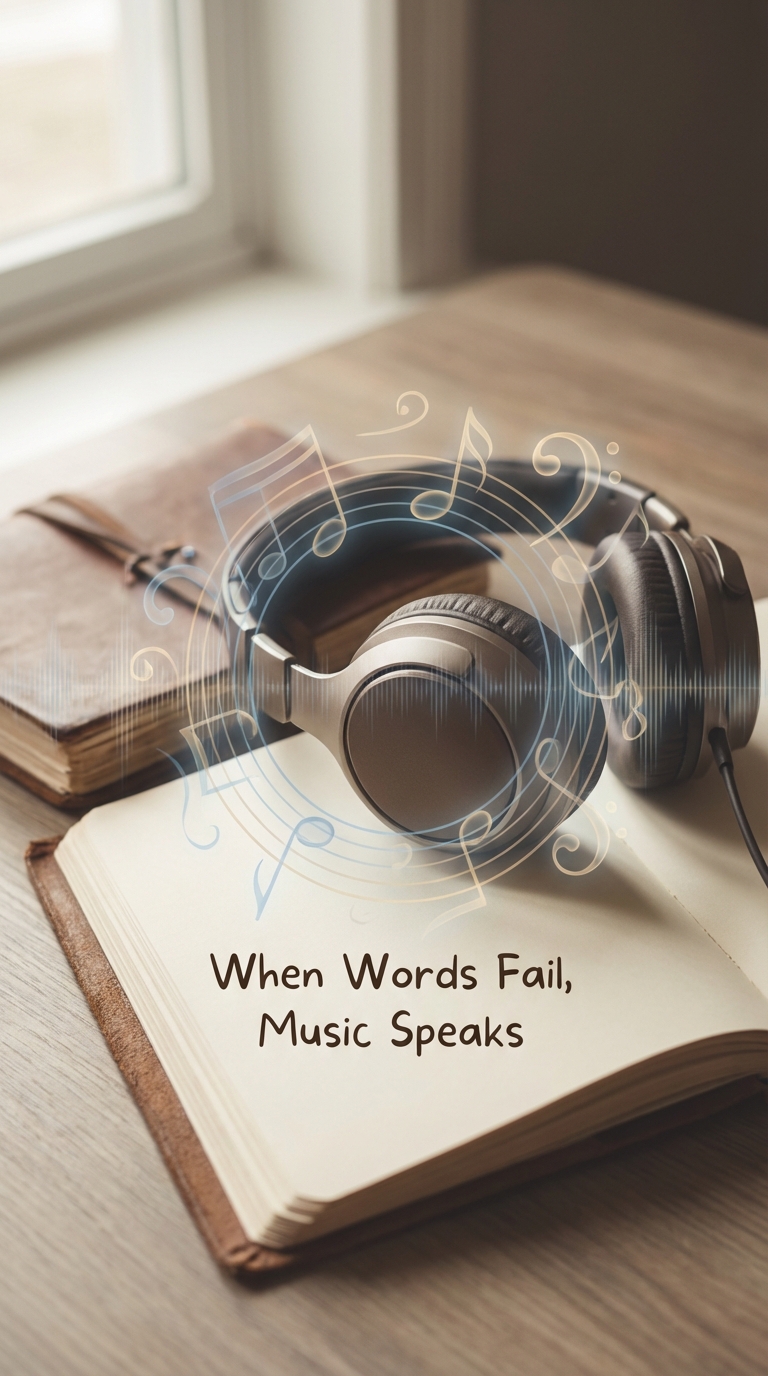
If you know me, you probably already know this, but just in case you don’t: I’m a K-pop fan. Not just a casual listener—a full-fledged “stan.” I love the music, the energy, the choreography, and the wild, creative world of K-pop fandom. There’s something truly special about being part of a group of people who are all-in, who love something so much that it brings them together across continents and cultures.
Recently, I came across research comparing the emotional well-being of K-pop fans to those in Western music fandoms. The author expected K-pop fans, because of their intensity, to report more stress. But the surprise? K-pop fans actually reported healthier emotional states. It turns out, being deeply involved in a music fandom isn’t just about loving a band—it’s about finding belonging, building friendships, and feeling connected to something bigger than yourself (Chang & Park, 2023).
Music has always been more than just sound in my life; it’s a lifeline. I still remember directing a musical years ago and working with a young woman who joined the show with her family. After closing night, her mom pulled me aside with tears in her eyes. She told me her daughter had been in a dark place, struggling with trauma, trust issues, and the inability to express her pain. But through the music she sang in the show, she found the words she couldn’t say on her own. That was her starting point for healing.
I’ve witnessed this transformation with my own daughter. She went through a season of darkness where my words and support never seemed to reach her. Through the struggle she turned to music, K-pop music, and it started to work its magic. She didn’t just listen—she sang along, learned the dances, and found herself drawn into the vibrant communities of fans and artists. The music, the movement, and the sense of belonging made her feel alive. Through K-pop, she found a way to feel and express emotions she couldn’t put into words, and step by step, she navigated her way out of the shadows that surrounded her. Music became her language, her community, and her anchor.
I’m not alone in this experience. Research shows that teens (and adults!) who engage with music—whether listening, singing, or making music with others—report better emotional well-being, higher self-esteem, and greater social connectedness (Fancourt & Finn, 2019; Chang & Park, 2023; Chen, 2023). In fact, 77% of teens say they listen to music to boost their mood, and 72% use it to relieve stress.
It’s not just about the songs or the artists, though that can be part of it. Being part of a musical community—like a choir, band, or even a fandom—creates a sense of belonging. I’ve made friends across the world through shared playlists and online forums. I know people who’ve found comfort, motivation, and even love through the music and the people they meet because of it. Music gives us a place to belong—a “respite bubble” when the world feels overwhelming or lonely.
And sometimes, music says what we can’t. It’s a safe space to feel sadness, joy, nostalgia, or excitement. It helps us process grief, celebrate victories, and mark the milestones of our lives. Even research on the brain shows that music stimulates a network that includes memory, emotion, and sensory-motor processing (Zaatar et al., 2023). Engaging with music isn’t just pleasurable—it’s literally rewiring our brains for resilience, empathy, and growth.
I encourage you to think of your favorite song for a moment. What is it about that song that grabs you? Maybe it’s the lyrics that cut right to the heart of what you’re feeling. Maybe it’s the beat that lifts you up, or the melody that soothes you after a long day. That song—whatever it is—connects with you for a reason.
The healing power of music isn’t just for the stage or the concert hall. It’s for the car ride, the quiet bedroom, the earbuds on a stressful walk, or the choir rehearsal in a church basement. It’s for the teen who can’t find the words, or the adult who needs a reminder that joy is possible.
So, if you can be anything, be a fan of music—anything that fills you with joy, connection, and hope. Let yourself get lost in the music. Let it heal you. And remember, whether you’re singing alone or in a crowd, you’re never truly alone—there’s always someone out there tapping their foot to the same beat, feeling the same hope.
References
- Chang, W., & Park, J. (2023). Music fandom and emotional well-being: A comparative study of K-pop and Western fandom communities. Journal of Youth Studies, 26(3), 350–367.
- Fancourt, D., & Finn, S. (2019). What is the evidence on the role of the arts in improving health and well-being? A scoping review. World Health Organization Regional Office for Europe.
- Chen, L. (2023). Influence of music on the hearing and mental health of adolescents and countermeasures. Front Neurosci, 17, 1236638.
- Zaatar, M. T., Alhakim, K., Enayeh, M., & Tamer, R. (2023). The transformative power of music: Insights into neuroplasticity, health, and disease. Brain Behav Immun Health, 35, 100716.
- Pawlak, E. (2024, February 7). The Widely Neglected Healing Power of Music. National Alliance on Mental Illness (NAMI).