Part 1: Faith Traditions and Family Crisis — How Belief Supports Teens and Parents in Difficult Times
Date: June 25, 2026
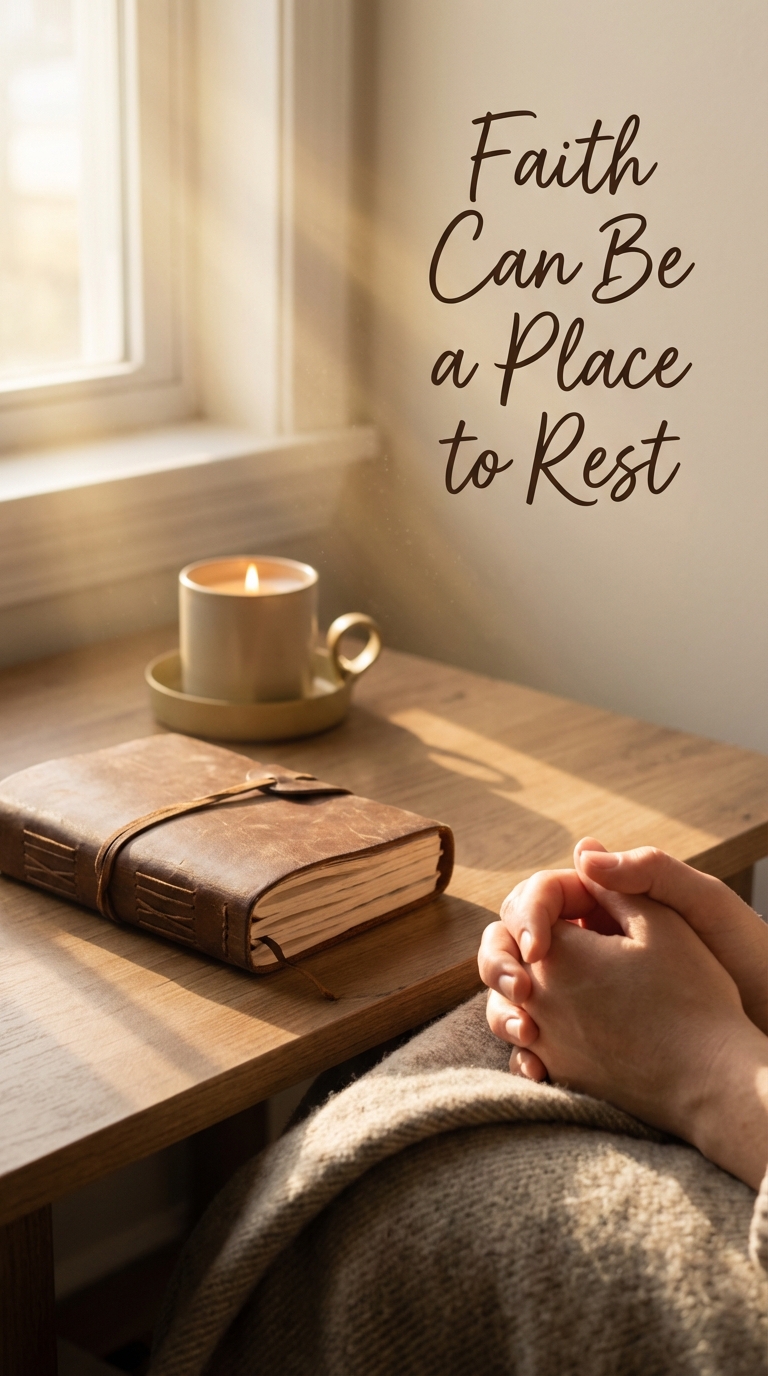
I consider myself a woman of faith, and I’ve noticed that when life feels overwhelming—whether it’s my own crisis or my child’s—leaning into my faith has provided a kind of peace and grounding I can’t find anywhere else. Sometimes, it’s a quiet prayer whispered in the dark. Other times, it’s a story handed down through generations or a ritual that gives structure to a chaotic day. What’s always struck me is that families from all backgrounds—Christian, Jewish, Muslim, spiritual-but-not-religious, or anything else—often turn to these moments for meaning and resilience. I call them moments of hope.
Finding Strength in Faith During Family Crisis
During those especially hard times, faith has given my family more than just words—it’s given us a shared language for hope. We talk about stories of perseverance from our tradition, and those narratives help us see our struggles as part of something larger. Research even supports this: spiritual well-being is linked to lower rates of depression in young people (Aggarwal et al., 2023). For my teens, rituals like prayer or meditation help create a pause, a chance to process emotions when everything else feels out of control.
But for me, the power of faith goes even deeper. There’s something about feeling connected to a community, or even just to the idea that there is something bigger and more powerful than me, that gives strength when heartache and fear seem like the only feelings I have left. As a parent, especially in those moments when I’m trying my best and nothing seems to be working, that sense of being held by something greater has kept me going. The U.S. Department of Health and Human Services highlights how this kind of connectedness within a faith community can be a strong protective factor for youth mental health, helping them—and us—feel less isolated and more supported (HHS Partnership Center, 2023).
Supporting Teens’ Faith Journeys: The Power of Listening Without Judgment
One thing I keep working on is listening without judgment when my kids talk about faith, doubt, or even anger. Research shows that negative religious coping—like feeling abandoned or judged—can actually add to distress (Aggarwal et al., 2023). So instead of jumping in with advice or answers, I try to ask open questions: “How are you feeling about this?” or “What helps you feel calm right now?” And when I’m honest about my own struggles and uncertainties, I notice my kids are more willing to open up, too.
Faith and Mental Health: Why Professional Support Still Matters
I’ve also learned, sometimes the hard way, that faith is not a substitute for professional help. There have been seasons where therapy and counseling were just as essential for our family as prayer or rituals. Studies suggest that combining spiritual support with mental health care is often the most effective approach for teens facing anxiety or depression (Aggarwal et al., 2023).
Building Resilience Through Faith, Connection, and Community
At the end of the day, faith in my family isn’t about having all the answers or always feeling strong. It’s about creating space for hope, connection, and growth—even in the middle of uncertainty. Maybe it’s a meal shared in silence, a moment of volunteering, or just sitting together in reflection. These practices remind us that we’re not alone—and that resilience is something we can build together, even when the journey is hard.
If you’re reaching for your own faith tradition during a crisis, please know you’re not alone. Across backgrounds and beliefs, research and lived experience both show that hope, community, and compassion really can make a difference for teens, parents, and families.
References
- Aggarwal S, Wright J, Morgan A, Patton G, Reavley N. (2023). Religiosity and spirituality in the prevention and management of depression and anxiety in young people: a systematic review and meta-analysis. BMC Psychiatry, 23(1):729. https://doi.org/10.1186/s12888-023-05091-2
- U.S. Department of Health and Human Services Partnership Center. (2023). Youth Mental Health and Well-being in Faith and Community Settings: Practicing Connectedness.