Part 3: The Healing Power of Nature: Finding Calm and Connection Outdoors
Date: July 2, 2026
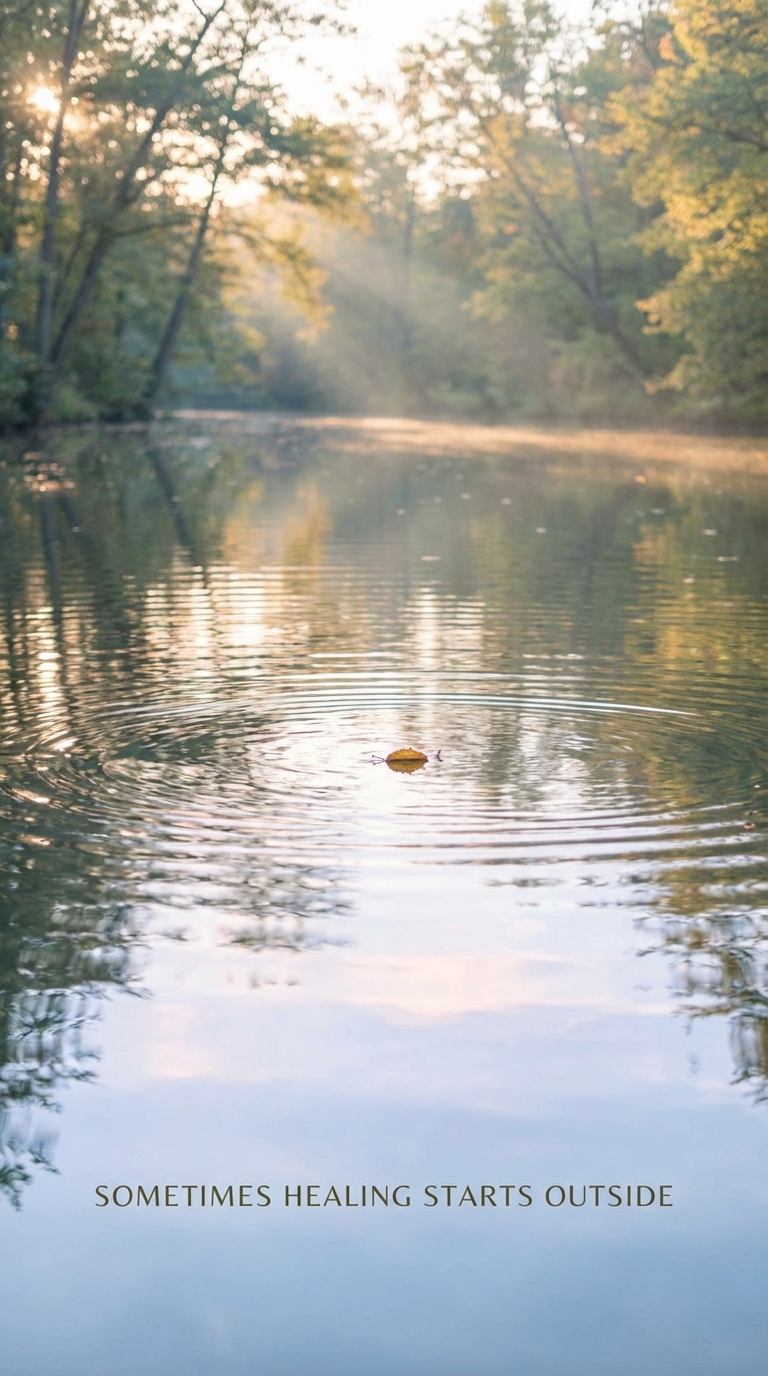
My family has a little cabin tucked away in the mountains that has become my family’s sanctuary. Surrounded by tall trees and nestled between two ponds bursting with cold, clear water, it’s a place teeming with life—deer grazing at dawn, birds singing overhead, squirrels darting about, and every so often, the awe (and thrill) of spotting a bear or even a cougar. For me, this space is more than just a getaway; it’s where I go to disconnect from the noise of daily life and rediscover a sense of peace.
I’ve been bringing my kids here since they were babies. When they were little, it was about simple joys—throwing rocks in the pond, chasing butterflies, or lying on the grass to watch clouds drift by. As they’ve grown into teens, I’ve seen the benefits of this escape deepen. Out here, there’s no Wi-Fi, no endless scroll—just fresh air, room to roam, and the gentle nudge to get creative with how we spend our time. Even when they grumbled about leaving their devices behind, I could see the change in them. They’d come alive, invent new games, and find their own ways to unwind. Now, even as adults, they ask to return, seeking the calm and clarity that the mountains offer.
It isn’t just our family. Research consistently shows that spending time in nature is linked to lower stress levels, improved mood, and better cognitive function (APA, 2025; Capaldi et al., 2015). Just 120 minutes a week outdoors—whether in a forest, by a pond, or simply at a park—can significantly boost overall well-being (White et al., 2019). Nature exposure is known to lower cortisol and blood pressure, boost immune function, and help with anxiety and depression. Even brief “nature pills”—just 20 minutes outside—can make a remarkable difference in mood and stress.
The benefits aren’t only physical. Nature offers a mental reset. I’ve noticed that after a long walk in the woods or a quiet hour by the water, I can think more clearly and solve problems that felt impossible before. Research backs this up—natural environments have been shown to improve attention, creativity, and problem-solving skills, and even help us sleep better by regulating our internal clocks (Berman et al., 2019; Lee et al., 2015).
Nature also teaches us to notice the world around us. Whether marveling at the way sunlight filters through the leaves or listening to an evening chorus of frogs, these small moments connect us to something bigger. Psychologists call this “nature connectedness,” and it’s strongly linked with increased happiness and life satisfaction (Richardson et al., 2020). Even if you live in a city, time in a local park or tending to a few plants on a balcony can offer real mental health benefits.
One of my favorite things to witness is how being outside together brings our family closer. With nowhere else to be and nothing pulling us away, we talk, laugh, and sometimes just sit in comfortable silence. Nature has a way of breaking down walls—between people and within ourselves.
If you’re a parent or caregiver supporting a troubled teen or a young person in crisis, nature can be a gentle ally. Sometimes the conversations that feel impossible at home come easier on a quiet walk or by a peaceful pond. Even when words are hard to find, the simple act of being in nature together can offer comfort, reduce tension, and create space for healing and connection.
If you’re feeling overwhelmed or stuck, consider stepping outside, even for a short while. Let the breeze clear your mind, let your feet wander, and see what beauty you might notice. The healing power of nature is available to all of us, right outside our doors—waiting to restore, to calm, and to connect us, both to each other and to the world.
References
- American Psychological Association. (2025, April 8). Nurtured by nature. Monitor on Psychology, 51(3). Capaldi, C. A., et al. (2015). The relationship between nature connectedness and happiness: A meta-analysis. International Journal of Wellbeing, 5(4), 1–16.
- White, M. P., et al. (2019). Spending at least 120 minutes a week in nature is associated with good health and wellbeing. Scientific Reports, 9, 7730.
- Berman, M. G., et al. (2019). The cognitive benefits of interacting with nature. Current Directions in Psychological Science, 28(5), 496–502.
- Lee, K. E., et al. (2015). 40-second green roof views sustain attention: The role of micro-breaks in attention restoration. Journal of Environmental Psychology, 42, 182–189.
- Richardson, M., et al. (2020). A meta-analysis of nature connectedness and happiness. Journal of Happiness Studies, 21(3), 1145–1167.