Independent Living Skills All Teens Need
Date: May 20, 2019
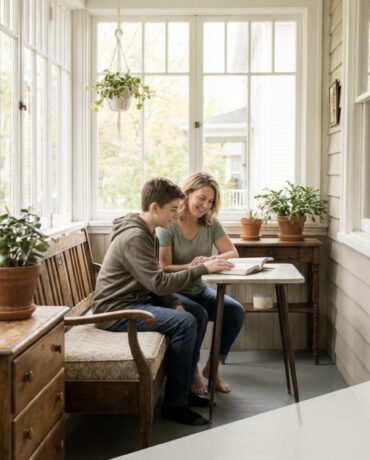
Teenagers want to feel in control. Teenagers also turn into young adults. To prepare those young adults in the making, independent living skills are incredibly valuable and a great way to hand over some control. When you spend your time dealing with behavioral challenges, teaching your children how to use a plunger seems like an unnecessary task. However, when your teen turns into a young adult, he is going to need these skills in order to thrive.
Focusing on strengths is an amazing way to connect with your teen. Giving your teen control over certain aspects of her environment can go a very long way to developing a stronger relationship while setting her up for success when she no longer lives under your roof.
You know how your teen learns best, so encourage these skills in a way that will demonstrate his strengths. Lectures about the “proper method” won’t win you any points. When demonstrating these skills, allow your teen to work on the process, in his own way. Keep any instructions clear, non-judgmental and simple. This will enhance his self-confidence and provide him valuable skills he will need for the rest of his life.
Preparing Food
Knowing the basics of preparing food is a life-long skill. Think first of what your teen enjoys eating. When your teen is calm and the pressure is low, offer to show them how to prepare a meal that they enjoy. Your teen can observe you in the kitchen. Feel free to begin by using the microwave and pre-cut veggies. Your teen may need to learn some kitchen basics, such as when to use a pot versus a pan, how to safely use a knife, which spatula will scratch which pan, how to set the oven and a timer, etc. Introduce these topics easily and when your teen is receptive.
Loading a Dishwasher
Each person has a unique way that she enjoys loading the dishwasher. It varies between homes, between families, and between family members. Keep this in mind as you show your teen how to use and load a dishwasher. Watching videos together on YouTube can help set the expectations. Identify the items that should never go into the dishwasher. Explain the difference between dish soap and dishwasher soap (unless you want a very soapy kitchen floor). Remember that this is a skill that takes time to learn. Each load is different based on the items in the sink. Be calm and feel free to share stories of times that you did not load it perfectly either.
Complete a Laundry Cycle
There are traditionally five steps to completing the laundry cycle: Collect or Sort, Wash, Dry, Fold, and Put away. Make the sorting process easier by using a unique system of laundry baskets where all clothes that can be washed together are already together. Teach your teen how much detergent to use (powder vs. liquid vs. pod). Discuss what happens (and what the smell is like) if clothes stay wet in the washer for too long. Show your teen the different settings on the washer and the dryer and which to use. A cheat sheet posted on the appliances may help. Are there any clothes that can’t go into the dryer? Any specific way certain clothes must be folded?
Always set your teen up for success by designing systems that are easy to use and replicate for themselves. Be calm and encouraging. Make this a fun time of learning, rather than lectures.